

Midfield is where Premier League arguments become loudest and most personal. Ask supporters to name the greatest striker and you will get a familiar group of answers. Ask them to name the greatest midfielder and suddenly the room divides into camps: Gerrard people, Lampard people, Scholes people, Vieira people. Then someone mentions De Bruyne, Keane or David Silva, and the debate starts again.
The Premier League began in 1992. Since then, Manchester United have won 13 titles, Manchester City eight, Chelsea five and Arsenal four, with Arsenal’s latest success arriving in 2025/26 after a 22-year wait since 2003/04. Those teams produced some of the competition’s defining midfielders, from Steven Gerrard and Frank Lampard to Paul Scholes, Patrick Vieira, Roy Keane and Kevin De Bruyne.
This ranking mixes peak ability, longevity, influence, versatility and the moments that changed important matches. It is not a mathematical answer, because no single number can compare a destroyer with a creator or a box-to-box runner with a deep-lying passer. You may disagree with the order. That is part of the fun.
How I Judged Them (and Why Midfield Starts the Loudest Fights)
What I counted
I looked at what each midfielder did over a Premier League career rather than relying only on medals. Titles matter, but they also reflect the strength of the team around a player.
Goals, assists, appearances and consistency form part of the picture. So do leadership, tactical importance, big-match performances and the ability to control games in different ways. The Premier League’s own historical features show how difficult it is to separate creative output from wider influence.
What I deliberately left out
I did not rank players simply by their trophy cabinets. A midfielder who stayed at a smaller club may have carried more responsibility than a player surrounded by elite team-mates.
I also did not treat every assist database as identical. Historical assist figures can vary between sources because of different definitions and data collection methods. That is why some figures below use a dash rather than pretending there is no uncertainty.
| Rank | Player | Club(s) | Position | Key stat |
|---|---|---|---|---|
| 1 | Steven Gerrard | Liverpool | Box-to-box midfielder | 504 appearances |
| 2 | Frank Lampard | West Ham, Chelsea, Manchester City | Attacking midfielder | 177 goals |
| 3 | Kevin De Bruyne | Chelsea, Manchester City | Advanced playmaker | 119 assists |
| 4 | Paul Scholes | Manchester United | Central midfielder | 11 titles |
| 5 | Patrick Vieira | Arsenal, Manchester City | Defensive midfielder | Three titles |
| 6 | Roy Keane | Nottingham Forest, Manchester United | Box-to-box midfielder | Seven titles |
| 7 | David Silva | Manchester City | Attacking midfielder | 309 appearances |
| 8 | Cesc Fàbregas | Arsenal, Chelsea | Central midfielder | 111 assists |
| 9 | Rodri | Manchester City | Holding midfielder | 2024 Ballon d'Or |
| 10 | Yaya Touré | Manchester City | Box-to-box midfielder | 62 goals |
| 11 | Claude Makélélé | Chelsea | Defensive midfielder | Created the “Makélélé role” |
| 12 | Michael Carrick | West Ham, Tottenham, Manchester United | Deep-lying midfielder | Five titles |
| 13 | N'Golo Kanté | Leicester City, Chelsea | Defensive midfielder | Two titles with two clubs |
| 14 | Gareth Barry | Aston Villa, Manchester City, Everton, West Bromwich Albion | Central midfielder | 653 appearances |
| 15 | Luka Modrić | Tottenham Hotspur | Central midfielder | 123 appearances |
| 16 | Bernardo Silva | Manchester City | Attacking midfielder | Multiple titles |
| 17 | Gary Speed | Leeds United, Everton, Newcastle United, Bolton Wanderers | Central midfielder | 535 appearances |
| 18 | Jordan Henderson | Sunderland, Liverpool | Central midfielder | Captained Liverpool to the 2019/20 title |
| 19 | David Beckham | Manchester United | Wide midfielder | Six titles |
| 20 | Matt Le Tissier | Southampton | Attacking midfielder | Elite set-piece specialist |
How to read the table
The order is not a list of the 20 players with the most goals or medals. It is an attempt to judge the whole Premier League contribution.
That explains why Gerrard ranks above players with more titles, and why Le Tissier appears despite never winning the league. Their individual influence, responsibility and quality deserve attention too.
Why goals and assists only tell part of the story
A midfielder can dominate a match without scoring. They can close passing lanes, dictate tempo, win second balls or move the team 20 yards up the pitch with one pass.
That is especially important when comparing players from different eras. A midfielder asked to protect a defence will naturally produce fewer goals than someone allowed to arrive late in the penalty area.
1-4: The Definitive Four
Steven Gerrard: the complete midfielder
Gerrard finishes first because he could do almost everything. He passed, tackled, carried the ball, struck long-range shots and produced decisive moments when Liverpool needed them most.
His 504 Premier League appearances, 120 goals and 92 assists for Liverpool show remarkable consistency. Yet the strongest part of his case is the amount he had to carry. Liverpool relied on his energy and personality in a way that few elite teams relied on one midfielder.
The obvious counter-argument is the lack of a Premier League title. That matters. Still, individual greatness cannot be reduced to one missing medal. Gerrard’s peak, leadership and all-round game make him the most complete midfielder on this list.
The numbers behind the case
Gerrard’s statistical record places him among the most productive midfielders in Premier League history. Some databases list slightly different assist totals, but the larger point remains unchanged: he combined creative output with defensive work and leadership.
Jamie Carragher has publicly placed Gerrard first, which reflects how highly his former team-mates viewed his influence.
Frank Lampard: the goalscoring anomaly
Lampard was the midfielder who made goals feel routine. He scored 177 Premier League goals, made 102 assists and played 609 matches. No other midfielder matched his habit of arriving in the right place at the right time.
He did not need to dribble past three players. His movement was sharper than that. Lampard often appeared late, almost unnoticed, before finishing with the calmness of a striker.
Three titles with Chelsea strengthen his case, but his greatest achievement was tactical. He changed what managers expected from a central midfielder. After Lampard, a midfielder scoring 15 or 20 league goals no longer felt impossible.
Kevin De Bruyne: the best passer of his generation
De Bruyne turned passing into an attacking weapon. His low crosses, disguised through balls and switches of play could cut a defence open before it had time to react.
He finished his Premier League career with 285 appearances, 72 goals and 119 assists. That assist total ranks second in Premier League history, while his six titles with Manchester City underline his role in one of the competition’s most dominant teams.
His case is built more on peak quality than on a long career across several clubs. At his best, however, few midfielders have ever made the final pass look so dangerous.
Paul Scholes: the quiet standard
Scholes rarely needed theatre. His influence came through positioning, timing and technique. He could play short passes to control possession or hit a long diagonal that changed the direction of an attack.
His 499 appearances, 107 goals and 11 Premier League titles make the basic case compelling. More importantly, he adapted. He began as a goal-threatening midfielder, later moving deeper and controlling matches from behind the attack.
Scholes was not always the most visible player on the pitch. That was part of his brilliance. He made difficult football look like a simple five-yard pass.
5-8: The Enforcers and the Artists
Patrick Vieira: power with polish
Vieira brought size, aggression and elegance to Arsenal’s midfield. He could win a physical duel, carry the ball through pressure and find a forward with a measured pass.
He made 307 Premier League appearances, scored 31 goals and provided 34 assists. His three titles included a central role in Arsenal’s unbeaten 2003/04 campaign.
His battles with Keane helped define the league’s most intense rivalry. Yet Vieira was more than an enforcer. He gave Arsenal control and authority in the centre of the pitch.
Roy Keane: the competitive floor
Keane set the emotional temperature for Manchester United. He demanded concentration, courage and commitment from everyone around him.
His 366 appearances, 39 goals and seven titles tell only part of the story. Keane’s value appeared in the moments when matches became uncomfortable. He pushed his side forward, confronted opponents and refused to let standards drop.
Paul Scholes has ranked Keane first among Premier League midfielders, ahead of Gerrard, De Bruyne, Lampard and Vieira. That view is revealing because it shows how highly elite players value competitive control.
David Silva: the magician of the Etihad era
Silva was smaller than many of the midfielders around him, but he saw the game earlier. His close control allowed him to receive the ball in crowded spaces and escape before pressure arrived.
He made 309 Premier League appearances, scored 60 goals and won four titles with Manchester City. His passing helped City move from a powerful club into a side capable of controlling entire matches.
Silva’s influence was not always captured by headline statistics. He connected attacks, shifted defenders and gave City’s possession a clear purpose.
Cesc Fàbregas: the teenage conductor
Fàbregas announced himself at Arsenal as a teenager and quickly became the team’s creative reference point. His passing range was exceptional, but his real strength was seeing the next action before most players had processed the current one.
He finished with 111 Premier League assists, the third-highest total in the competition’s history. He also won two titles with Chelsea, in 2014/15 and 2016/17.
His career is an interesting blend of early brilliance and later efficiency. Fàbregas did not dominate matches through physical power. He shaped them with speed of thought.
9-12: The Modern Anchors
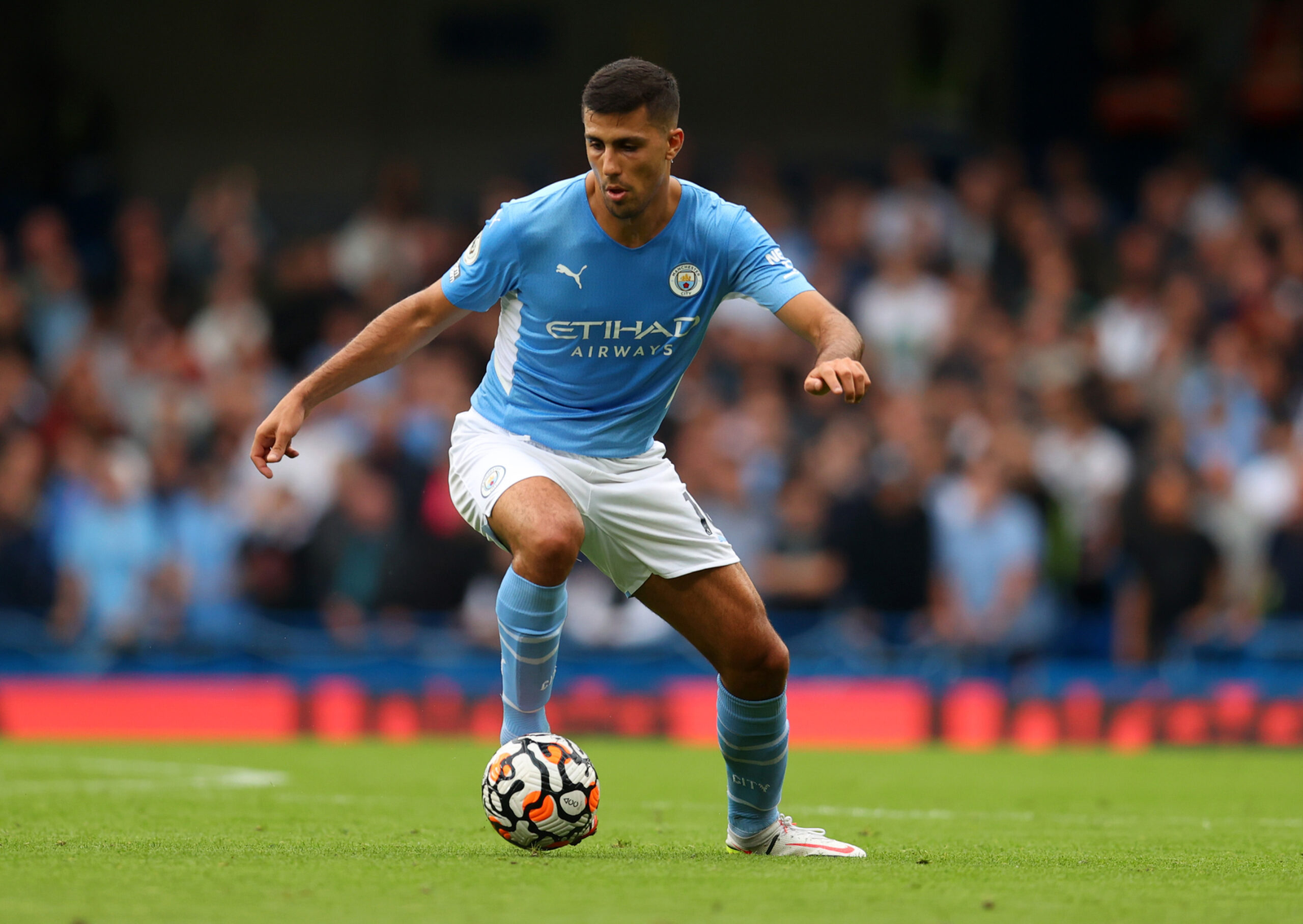
Rodri: the Ballon d’Or winner who made control fashionable
Rodri made the holding midfield role look like the centre of the whole pitch. He protected the defence, set the rhythm and arrived in important areas when opponents focused elsewhere.
He made 196 Premier League appearances, scored 23 goals and won four consecutive titles from 2020/21 to 2023/24. In 2024, he became the first Manchester City player and the first Premier League player since 2008 to win the Ballon d’Or.
His ranking could rise. A player who controls matches at this level has a strong claim to becoming the greatest holding midfielder in Premier League history.
Yaya Touré: the midfielder who scored like a striker
Touré was a rare physical phenomenon. He could glide past midfielders, overpower defenders and finish attacks with the force of a forward.
He made 230 appearances, scored 62 goals and won three Premier League titles. His 2013/14 campaign remains especially memorable because he combined driving runs with an extraordinary scoring contribution.
The limitation is longevity at the very highest level. The peak, though, was spectacular. Touré could turn a quiet match into a personal showcase within minutes.
Read Also: The 20 Greatest Premier League defenders of all time
Claude Makélélé: the role that carries his name
Makélélé changed how supporters talked about defensive midfielders. His job was not to collect headlines. It was to screen the defence, close gaps and make the rest of the team more secure.
He made 144 Premier League appearances for Chelsea. The phrase “the Makélélé role” became a simple way to describe a midfielder who anchors a team from in front of the back four.
His ranking rewards tactical influence. Not every great midfielder needs to be a creator. Sometimes the most important player is the one who prevents the problem before anyone notices it.
Michael Carrick: the most underrated passer of his era
Carrick was often judged against louder team-mates, but his calm passing gave Manchester United balance. He received the ball under pressure, chose sensible options and rarely wasted movement.
He made 481 appearances, scored 24 goals and won five Premier League titles. His value became clearer when he was absent, because United often lost control without him.
Carrick was not a spectacular midfielder in the traditional sense. He was a reliable compass. When the match became frantic, he helped point it in the right direction.
13-16: Longevity, Engines and Intelligence
N’Golo Kanté: the quiet difference-maker
Kanté seemed to cover every blade of grass without making the game about himself. His anticipation allowed him to win the ball cleanly, while his recovery speed rescued team-mates who had been caught forward.
He made 263 Premier League appearances and won the title with Leicester City in 2015/16 and Chelsea in 2016/17. Winning with two very different teams strengthens his case.
Kanté did not control games through possession. He controlled them by constantly interrupting the opponent’s plans.
Gareth Barry: the marathon man
Barry’s 653 Premier League appearances made him the competition’s appearance record holder until James Milner surpassed him in February 2026. He also scored 53 goals.
His career was not built around one spectacular peak. It was built on availability, adaptability and professional consistency across different teams and managers.
Barry could play centrally, sit deeper or support the attack. He was rarely the headline, but he was often the player managers trusted to keep the structure intact.
Luka Modrić: the talent that arrived too early
Modrić’s Premier League case is unusual because his best years came after he left England. His 123 appearances for Tottenham showed the foundations of the player he would become, but his greatest achievements arrived elsewhere.
That makes his inclusion debatable. If this were a ranking of Premier League careers only, he would probably sit lower. If it is a ranking of the best midfield talents to appear in the competition, his intelligence and technique deserve recognition.
He is a reminder that a player’s full story can extend beyond the league being judged.
Bernardo Silva: relentless intelligence
Bernardo combines technical quality with unusual stamina. He presses, drifts into narrow spaces, carries the ball and keeps offering himself when other players would slow down.
He has made 249 Premier League appearances for Manchester City and won multiple titles. His greatest strength is adaptability. He can play wide, centrally or between the lines without losing his influence.
Bernardo does not always dominate through one spectacular action. He wears opponents down through constant movement and clever decisions.
17-20: Records, Leaders and Enigmas
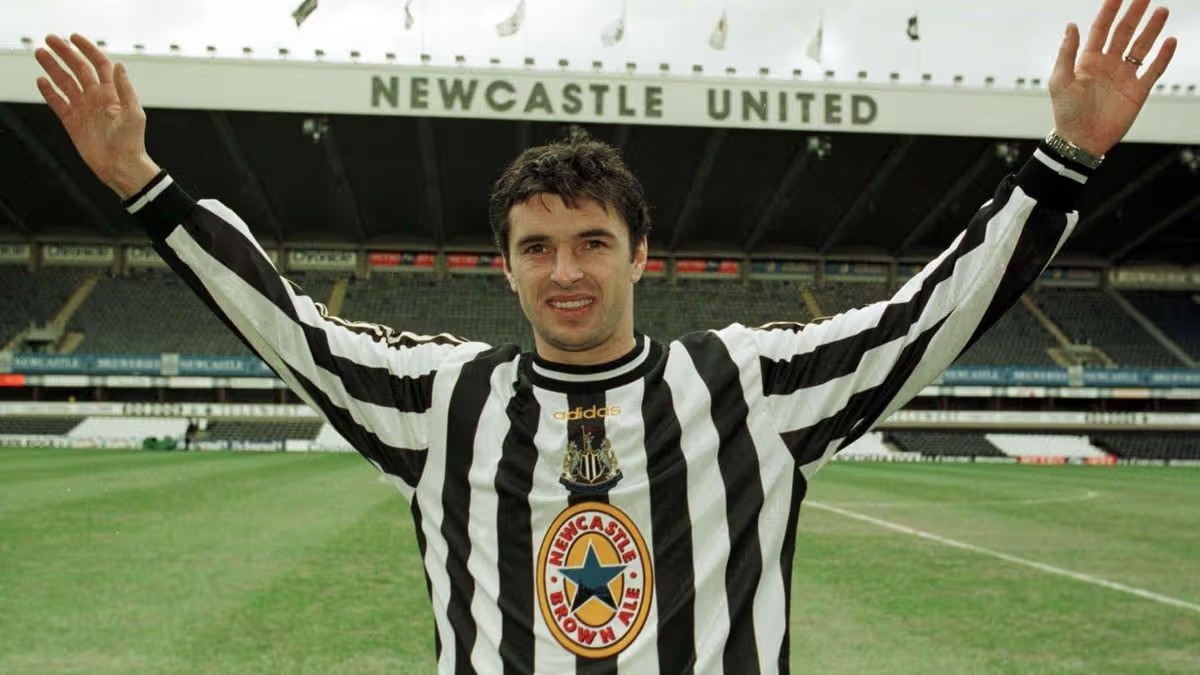
Gary Speed: the midfielder who never stopped
Speed’s 535 Premier League appearances reflected an extraordinary level of durability. He held the competition’s appearance record when he retired and became one of the first players to reach such a remarkable total.
He also scored 80 goals, showing that his game involved much more than endurance. Speed contributed through intelligent movement, timing and a willingness to take responsibility.
His career belongs to an era when midfielders were expected to work from one penalty area to the other. Speed did that for years.
Jordan Henderson: the captain who held it together
Henderson’s strongest argument is leadership. He made 360 Premier League appearances for Liverpool and captained the club to the 2019/20 title.
He was not the most naturally gifted player in this ranking, but he developed into a midfielder who gave Liverpool energy, organisation and emotional stability. He understood when to press, when to cover and when to demand more from the players around him.
Leadership can be difficult to measure, but teams notice its absence immediately.
David Beckham: the right foot that changed crossing
Beckham made crossing and set pieces feel like specialist arts. His delivery from wide areas could create chances from positions where other players would simply recycle possession.
He won six Premier League titles with Manchester United. Although he operated from the right more often than the centre, his influence on midfield play was enormous.
Beckham’s passing was not only about accuracy. It was about placing the ball into the exact area where a team-mate could attack it.
Matt Le Tissier: the maverick who stayed loyal
Le Tissier’s inclusion is the clearest argument against judging greatness only through trophies. He stayed with Southampton and produced moments of technical brilliance for a club that rarely had the resources of the title challengers.
He was a gifted attacking midfielder and an outstanding set-piece specialist. His penalties, long-range finishes and improvisation made him one of the league’s most entertaining players.
The counter-argument is obvious: he did not win the Premier League. This ranking rewards the individual brilliance he showed in a modest team, but that lack of silverware keeps him at 20.
Table 2: The 20 Greatest Premier League Midfielders, The Full Ranking
| Rank | Player | Position | Premier League appearances | Premier League goals | Premier League assists | Premier League titles |
|---|---|---|---|---|---|---|
| 1 | Steven Gerrard | Box-to-box midfielder | 504 | 120 | 92 | 6 |
| 2 | Frank Lampard | Attacking midfielder | 609 | 177 | 102 | 3 |
| 3 | Kevin De Bruyne | Advanced playmaker | 285 | 72 | 119 | 6 |
| 4 | Paul Scholes | Central midfielder | 499 | 107 | 55 | 11 |
| 5 | Patrick Vieira | Defensive midfielder | 307 | 31 | 34 | 3 |
| 6 | Roy Keane | Box-to-box midfielder | 366 | 39 | 29 | 7 |
| 7 | David Silva | Attacking midfielder | 309 | 60 | 92 | 4 |
| 8 | Cesc Fàbregas | Central midfielder | 350 | 50 | 111 | 2 |
| 9 | Rodri | Holding midfielder | 196 | 23 | 12 | 4 |
| 10 | Yaya Touré | Box-to-box midfielder | 230 | 62 | 32 | 3 |
| 11 | Claude Makélélé | Defensive midfielder | 144 | 29 | 2 | 2 |
| 12 | Michael Carrick | Deep-lying midfielder | 481 | 24 | 37 | 5 |
| 13 | N'Golo Kanté | Defensive midfielder | 263 | 29 | 4 | 2 |
| 14 | Gareth Barry | Central midfielder | 653 | 53 | 77 | 1 |
| 15 | Luka Modrić | Central midfielder | 123 | 16 | 29 | 0 |
| 16 | Bernardo Silva | Attacking midfielder | 249 | 40 | 50 | 6 |
| 17 | Gary Speed | Central midfielder | 535 | 80 | 41 | 0 |
| 18 | Jordan Henderson | Central midfielder | 360 | 33 | 50 | 1 |
| 19 | David Beckham | Wide midfielder | 265 | 62 | 80 | 6 |
| 20 | Matt Le Tissier | Attacking midfielder | 270 | 100 | 50 | 0 |
What the second table shows
The table highlights the different routes to greatness. Lampard leads the midfielders for goals, De Bruyne and Fàbregas stand out for assists, while Scholes and Keane built extraordinary title records.
It also shows why raw totals can mislead. Barry has more appearances than Gerrard, but Gerrard had a greater attacking and leadership burden. Makélélé’s influence cannot be captured by goals or assists.
How to argue about it properly
Start by saying what you value. If you prefer peak quality, De Bruyne, Silva or Touré may rise. If you value leadership, Keane, Gerrard and Henderson become stronger candidates. If you value longevity, Barry and Speed deserve more attention.
The debate becomes less useful when one statistic is treated as the entire answer.
The Honourable Mentions
Unlucky to miss out
The list could easily have included Fernandinho, Mesut Özil, Samir Nasri, James Milner, Aaron Ramsey and Christian Eriksen. That does not mean they lacked quality. It means a 20-player list has to draw a hard line somewhere, and Fernandinho in particular has a strong argument based on defensive intelligence and title-winning consistency.
The current generation knocking on the door
The active generation still has time to change this ranking. Midfielders such as those leading title races and European campaigns may move higher if they maintain their level over several seasons.
That is the difficulty with judging players before their careers finish. Potential is exciting, but longevity is where reputations become permanent.
How the Experts Rank Them — And Why They Disagree
Jamie Carragher’s top ten versus Paul Scholes’ top ten
Carragher’s public ranking placed Gerrard first, followed by Keane, De Bruyne, Vieira, Lampard and Scholes. Scholes, meanwhile, placed Keane first, Gerrard second, De Bruyne third, Lampard fourth and Vieira fifth, while ranking himself tenth.
Those lists are useful because they reveal different perspectives. Carragher values Gerrard’s complete influence, while Scholes gives extra weight to Keane’s authority and mentality.
Why self-assessment never helps
Former players understand details that supporters miss, but they also carry personal experiences. A team-mate may value leadership above creativity. A rival may remember the player who caused the most problems.
That is why expert opinions should inform the discussion rather than end it. Even legends of the league cannot agree on the order.
How the 2026/27 Season Changes the Debate
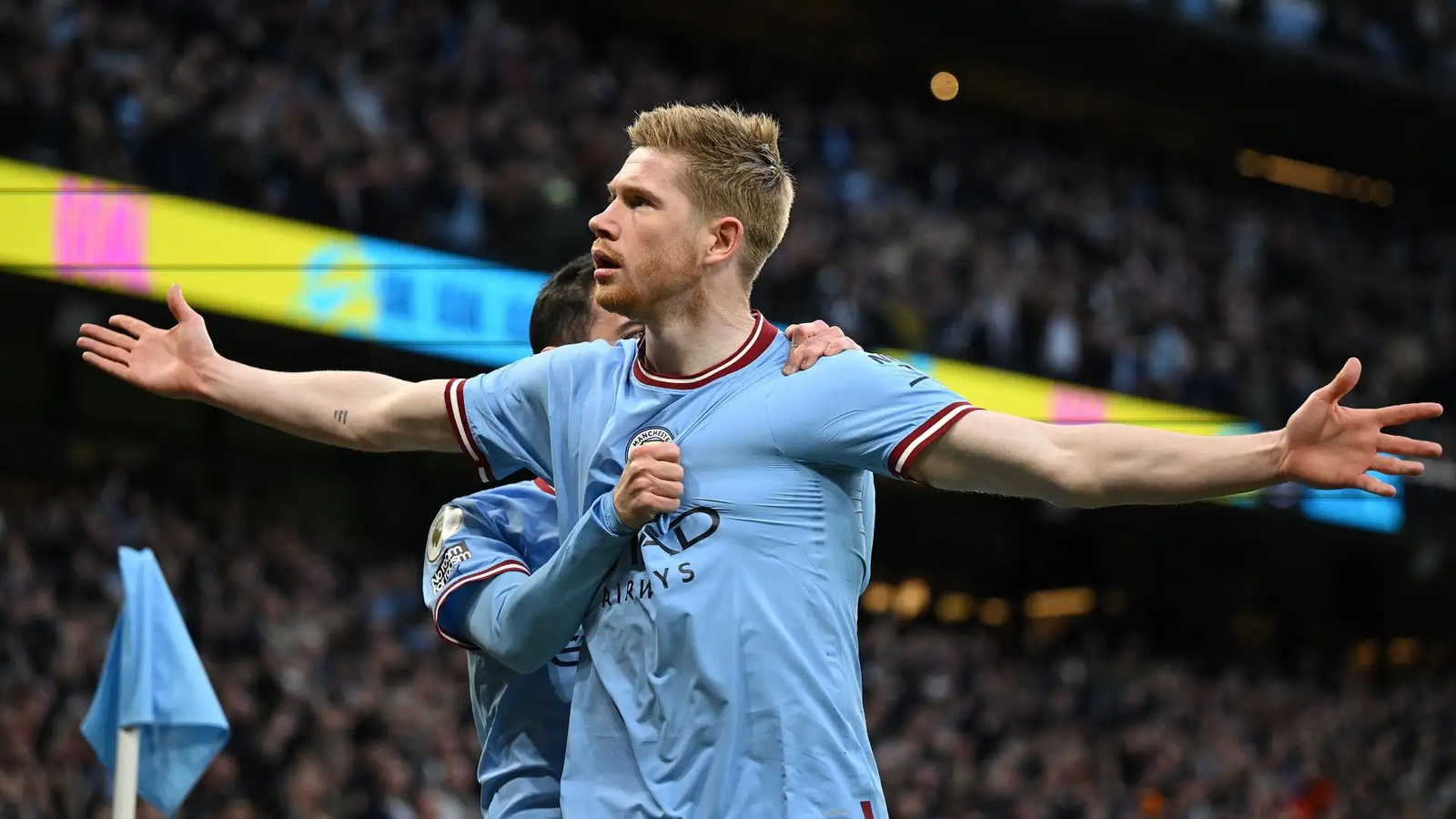
Rodri’s case for climbing
Rodri has already achieved something rare by winning the 2024 Ballon d’Or and establishing himself as the controlling force in Manchester City’s midfield.
If he continues to perform at that level, his combination of tactical importance, trophies and individual recognition could push him into the top five. The question is not whether he belongs in the conversation. It is how high he eventually climbs.
Where the current crop fits
The current generation will be judged by more than highlight clips. Can they stay fit? Can they perform in title run-ins? Can they adapt when opponents change their approach?
Those answers take time. A brilliant season can start a case, but sustained excellence finishes it.
Final Thoughts
The greatest Premier League midfielders did not all play the same position. Gerrard carried responsibility, Lampard scored like a forward, Scholes controlled rhythm, Vieira imposed power, Silva created space and Rodri made structure look elegant. The best midfielders did not simply produce numbers; they changed what their teams were capable of doing.
That is why the ranking remains subjective. You can move Lampard above Gerrard, Keane above Scholes or De Bruyne into the top two and still make a credible argument. The important thing is to judge the full player, not just the loudest statistic.
FAQs
Who is the greatest Premier League midfielder ever?
Steven Gerrard ranks first here because he combined goals, assists, leadership, passing, tackling and ball-carrying better than anyone else on the list. The lack of a Premier League title remains the strongest argument against him.
Who has the most Premier League assists among midfielders?
Kevin De Bruyne has 119 Premier League assists in the supplied figures, placing him second in the overall Premier League assists ranking. Ryan Giggs is the all-time leader, while Cesc Fàbregas ranks third with 111.
Which Premier League midfielder has scored the most goals?
Frank Lampard is the highest-scoring midfielder in Premier League history, with 177 goals. His late runs into the penalty area made him an unusual and hugely effective goalscorer.
Was Steven Gerrard better than Frank Lampard?
It depends on what you value. Lampard had more goals, assists and titles, while Gerrard offered a broader all-round influence and carried more responsibility for Liverpool. Both positions can be defended.
How many Premier League titles did Paul Scholes win?
Paul Scholes won 11 Premier League titles with Manchester United. That is one of the strongest trophy records in the competition’s history.
Is Rodri the best holding midfielder in Premier League history?
Rodri has a strong claim, especially after winning the 2024 Ballon d’Or and four consecutive Premier League titles. Claude Makélélé, Michael Carrick and Fernandinho remain important comparisons.
Why is Luka Modrić included when he only played 123 Premier League matches?
Modrić is included because his Tottenham performances revealed a midfielder of extraordinary intelligence and technique. His best years came after leaving England, which limits his Premier League case but does not erase the quality he showed there.
Who was the best midfielder in Arsenal’s Invincibles side?
Patrick Vieira was the midfield leader and one of the defining players of Arsenal’s unbeaten 2003/04 campaign. His physical power, passing and authority gave the team its balance.
Why is Matt Le Tissier ranked despite never winning the Premier League?
Le Tissier’s ranking rewards individual brilliance, loyalty and technical quality at Southampton. His lack of trophies is a valid counter-argument, but medals alone cannot explain every great player.